

What Makes Artistic Decor High Quality? A Buyer's Guide
Last Updated: November 24, 2026
Quick Summary
High-quality artistic decor is made with deliberate design choices, durable materials, and skilled finishing, so it holds up visually and physically for years. Judge it by design intent, materials, finishing, and consistency, and check backing, frame corners, edges, surface texture, and hardware before you buy.
- Mass-produced decor copies a look at speed and rarely carries the texture, weight, or originality of a crafted piece.
- Texture is the most reliable quality signal: hand-painted surfaces vary in thickness and brush direction, while prints are flat.
- Judge quality by production method: originals on the artist's hand, limited editions on paper, pigment, and printing fidelity.
- Aim for a piece that fills roughly two-thirds of the available width above a sofa or console.
- Turn the piece over and check the backing, frame corners, edges, surface in raking light, and hardware.
Table of Contents
- What Separates High-Quality Artistic Decor From Mass-Produced Pieces
- The Elements of Art That Signal Real Craftsmanship
- Why Composition in Art Decides How a Piece Lives in Your Room
- Fine Art vs Decorative Art: Which Quality Standard Applies
- A Step-by-Step Quality Inspection Checklist for Artistic Decor
- How to Choose High-Quality Wall Art and Decor for Your Space
- Frequently Asked Questions
What Separates High-Quality Artistic Decor From Mass-Produced Pieces
High-quality artistic decor is a decorative object made with deliberate design choices, durable materials, and skilled finishing, so it holds up visually and physically for years.
Below, we show you exactly how to spot the difference before you spend.
Here is the short version:
- Design intent. An artist made choices. A machine repeated a file.
- Materials. Real canvas, thick paper, and solid wood supports generally hold up better over time.
- Finishing. Hand-painted touches, clean frame corners, and sealed surfaces.
- Consistency. A quality piece looks right from every angle, not just the front.
Mass-produced decor is not automatically bad. It is affordable, and it fills walls fast.
The Getty Museum's guide to materials and techniques is a useful starting point if you want to understand how production method changes what you see and feel.
That difference in production method is the thread running through this whole guide. Once you can read it, you can judge any piece in under a minute.
The Elements of Art That Signal Real Craftsmanship
The elements of art are line, shape, color, texture, space, form, and value. In quality decor, these elements work together on purpose. In cheap decor, they are copied without understanding.
Here is how to read each element as a quality signal:
- Line. In a hand-painted piece, lines have slight variations in thickness and pressure. In a printed reproduction, lines are uniformly sharp or uniformly soft. Neither is wrong, but only one shows a human hand. Check the edges of shapes: do they stay crisp, or do they blur into the background?
- Shape. Quality work uses shapes that feel intentional, with clean curves and consistent angles. Cheap work often has shapes that are slightly off, because the design was copied without understanding the underlying geometry.
- Color. Rich, layered color usually means more passes, more pigment, and more time. Flat, thin color often means a single cheap print run. Look for depth in the darks and subtlety in the lights. A quality piece will have a wide value range, with real darks and lights, not just mid-tones.
- Texture. This is the most reliable signal. A hand-painted surface has small variations in thickness and brush direction. A printed surface is flat and even. Run your fingers across the surface (if allowed) or tilt it in raking light. You should see and feel the difference.
- Space and form. In a quality piece, the subject sits convincingly in its space. Shadows and highlights follow a consistent light source. In cheap work, the lighting is often inconsistent, with shadows that do not match the highlights.
- Value. A wide value range creates depth and drama. A narrow range looks flat. Squint at the piece: if it turns into a uniform gray blur, the value range is too narrow.
A piece that passes all these checks reads as crafted. A piece that fails one usually fails the rest.
Watch out: the most common mistake is to judge a piece from a photo or from across the room.
If you want to understand how production method changes what you see and feel, the Getty Museum's guide to materials and techniques is a useful starting point.
Why Composition in Art Decides How a Piece Lives in Your Room
Composition in art is the arrangement of visual weight across a piece.
This is the part most buyers skip. They love a piece in the shop, bring it home, and find it fights the room. The problem is rarely the artwork.
Three things matter most:
- Visual balance. A heavy subject on one side needs breathing room on the other.
- Color harmony. The piece should share at least one color with the room.
- Scale and proportion. A small piece on a big wall gets lost. A large piece in a tight hallway feels crowded.
If you want practical help applying this at home, our guide on how to style artistic home accessories walks through placement, grouping, and scale step by step.
Get composition right and the piece becomes a focal point. Get it wrong and even fine art looks like clutter.
Fine Art vs Decorative Art: Which Quality Standard Applies
Fine art is made mainly to be experienced, while decorative art is made mainly to furnish a space. Both can be high quality. The standard you judge them by is different.
Here is how to judge quality by production method:
- Original paintings (oil, acrylic, watercolor). Judge on originality, provenance, and the artist's hand. Look for consistent brushwork, layered color, and a sealed surface. The quality test is whether the piece shows deliberate choices, not just technical skill.
- Limited-edition reproductions (giclée, lithograph). Judge on paper or canvas quality, pigment type, and printing fidelity. Check the edition number and the artist's signature. The quality test is whether the print captures the depth and detail of the original.
- Open-edition prints. Quality varies widely. Judge on ink quality and sharpness. The quality test is whether the print looks crisp and feels substantial, not whether it is rare.
- Mass-produced decor. These are often printed on canvas or paper with lower-grade inks and materials. Judge on frame construction, backing, and finish. The quality test is whether the piece is well-made for its price point, not whether it is original.
A hand-painted canvas and a printed fine art print can both be excellent. But a print should be judged on paper quality, pigment, and printing, not on the artist's original brushwork.
Here is how the two broad categories compare in practice:
| Feature | Fine Art | Decorative Art |
|---|---|---|
| Main purpose | Expression and concept | Furnishing a space |
| Quality test | Originality and provenance | Craftsmanship and durability |
| Materials focus | Archival paper, canvas, pigment | Wood supports, finish, hardware |
| Where it fits | Gallery walls, collections | Living rooms, entryways, shelves |
Neither is "better." The mistake is judging a decorative piece by gallery rules, or a fine art print by furniture rules. Once you know which standard applies, you can assess any piece with confidence.
A Step-by-Step Quality Inspection Checklist for Artistic Decor
Quality inspection means checking materials, construction, finish, and hardware in a set order before you buy. Ten minutes of checking saves years of regret.
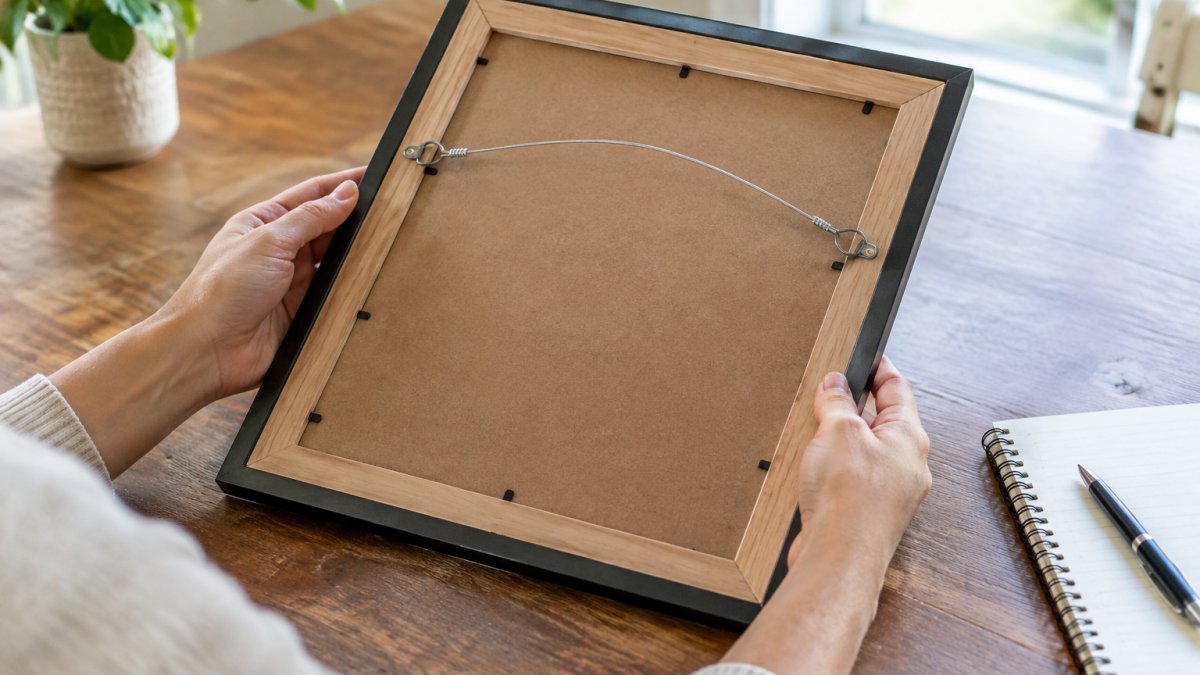
Here is the checklist we would use ourselves:
- Turn it over. Look at the backing. Clean, sealed backing signals care.
- Check the frame corners. They should meet tightly with no gaps or glue smears.
- Run a finger along the edge. Rough or lifting edges mean weak finishing.
- Look at the surface in raking light. Tilting the piece shows texture and flaws.
- Check the hardware. Solid hangers and taut wire mean it will hang safely.
- Ask about the materials. Canvas fabric, paper weight, wood supports, and pigment type all affect lifespan.
- Confirm the finish. A sealed surface resists dust and fading better than a bare one.
- Check the print quality. Sharp edges and even ink mean a proper print run.
Watch out: the most common mistake is buying for the front view only. A piece that looks perfect head-on can have a warped frame or loose backing that shows the moment it hangs on your wall.
If you want a deeper walkthrough before you shop, our guide on how to spot high quality gifts before you buy covers the same checks in more detail.
How to Choose High-Quality Wall Art and Decor for Your Space
Choosing high-quality wall art starts with three questions: where will it hang, what mood do you want, and what is your budget for that spot? Answer those first, then judge quality.
Start with scale. Measure the wall and aim for a piece that fills roughly two-thirds of the available width above a sofa or console. Too small and it floats.
Next, match the medium to the room. Canvas suits living areas and bedrooms. Framed prints suit hallways and offices.
Then set your budget by intended use. A piece you will look at every day for ten years deserves more than a seasonal accent.
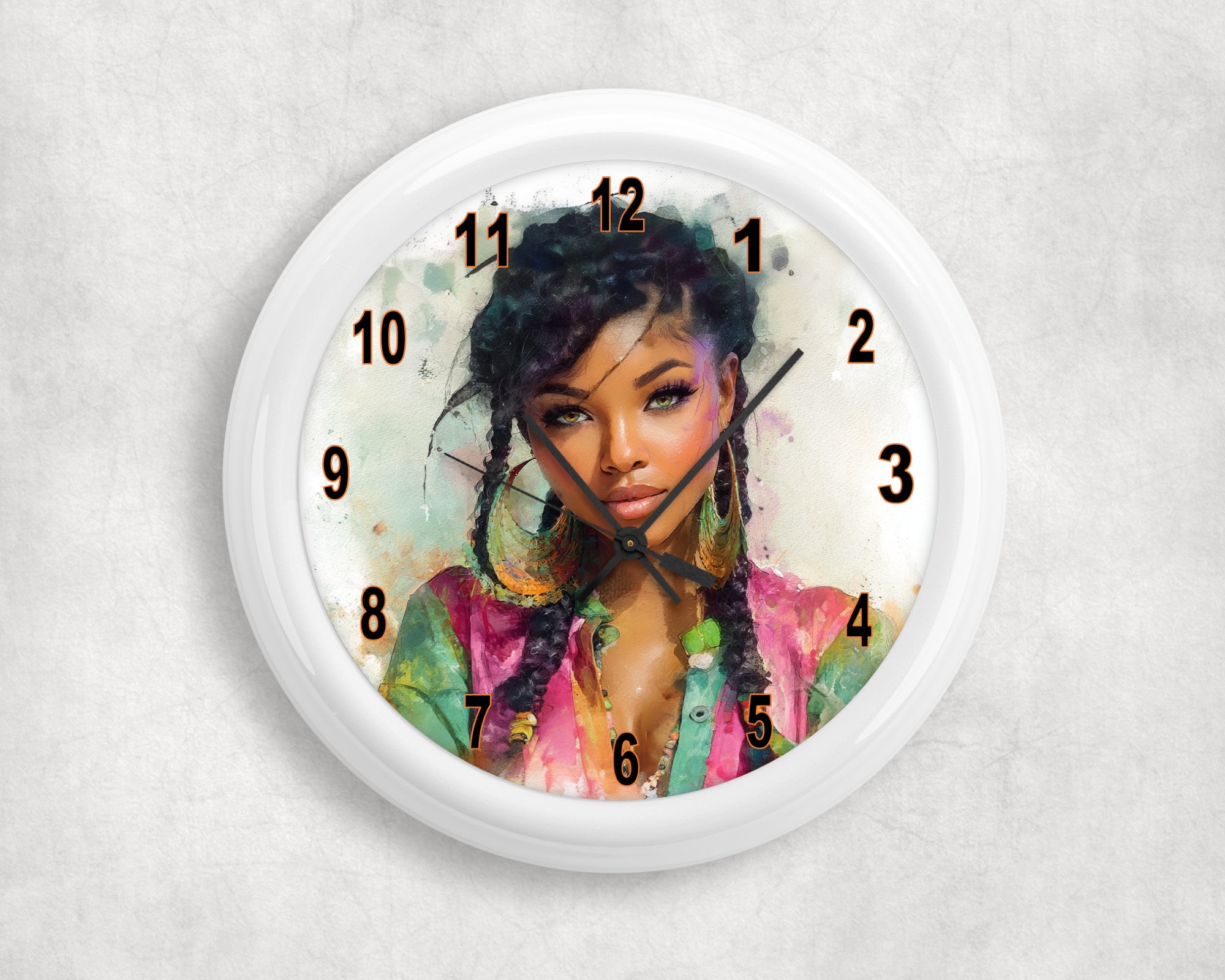
- The Painted Beauty Wall Clock brings a hand-finished look to a wall without crowding it.
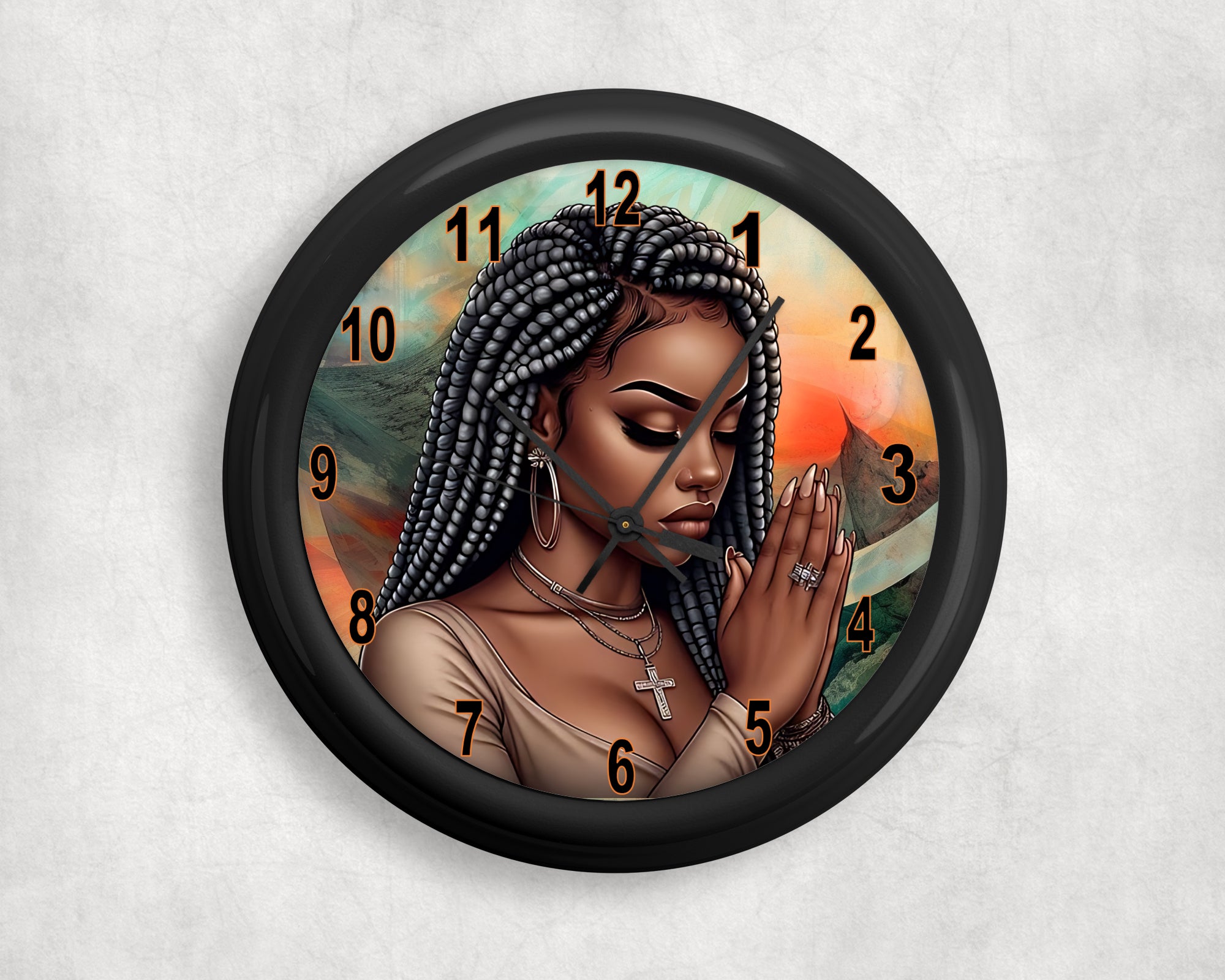
- The Power In Prayer Wall Clock suits a quieter, more personal corner of the home.
Both are the kind of piece that rewards a closer look, which is exactly the point.
Buying artistic decor well comes down to slowing down for ten minutes and checking what is actually in front of you. Materials, finish, composition, and fit for the room decide whether a piece lasts or ends up in a cupboard.
At Creations Of Color, we have curated unique gifts that celebrate culture, creativity, and personal style for 25 years.
Frequently Asked Questions
What makes artistic decor high quality?
High-quality artistic decor combines three things: materials that hold up over time, craftsmanship you can see in the details, and a composition that feels balanced and intentional. Check the substrate (canvas, paper, wood), the print or paint application, the frame joinery, and the finish. The same standard applies whether you are buying wall art, placemats or a decorative dispenser.
What are the elements of art, and why do they matter when buying decor?
The elements of art are line, shape, form, color, value, texture and space. They matter because they explain why one piece feels alive and another feels flat. Look for clear color harmony, deliberate use of negative space and texture that adds depth rather than noise. When these elements work together, the piece holds your attention on the tenth viewing, not just the first. Use them as a checklist: does the color palette feel cohesive, does the texture suit the medium, and does the scale fit the wall or table it will sit on?
How can I tell whether wall art is well made?
Turn the piece over and check that the image is centered with even margins, the colors are sharp rather than muddy, and the surface has no bubbles or ripples. Clean frame corners and a sealed backing are signs of care.
Is fine art always better quality than decorative art?
No. Fine art and decorative art serve different purposes, and quality is judged against the job each is meant to do. Fine art is valued for originality, concept and the artist's hand. Decorative art is valued for how it enhances a space, and a well-printed, well-finished decorative piece can be higher quality than a poorly made original. The questions to ask are the same: are the materials durable, is the craftsmanship clean, and does the composition work in your room?
